A Daughter of Islamabad, the Youngest of Three
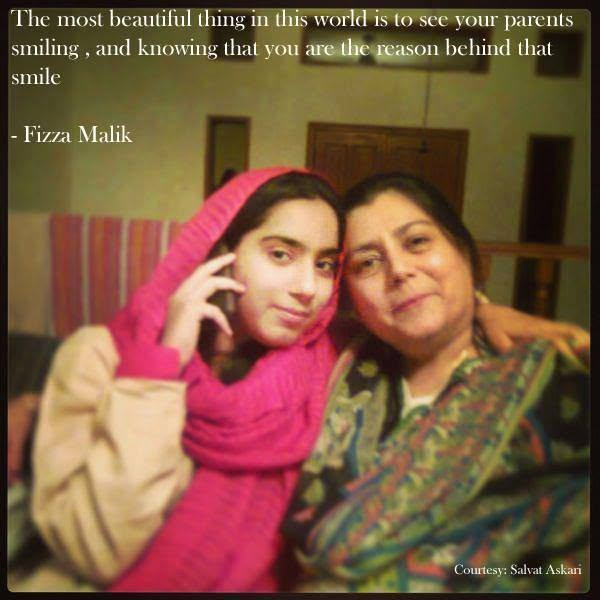
Fizza Tariq Malik was the youngest child and the only daughter of Mr Tariq Nasrullah Malik and his wife. Her two elder brothers, Saad and Ali, both worked in Dubai, and the family home in Islamabad revolved around the sister they affectionately shielded and admired.
When BBC Urdu visited the family house in the days after the attack, one brother wept openly on their mother’s shoulder; the other could only say that he wished his sister had listened and come with him to Dubai. Fizza, however, had made her choice years earlier: she loved Pakistan and wanted to serve it, and she declined the easier path of settling abroad.
“She used to love Pakistan so much that she never wanted to settle abroad, but who knew her own country would become her killer? My Fizza was so beautiful — she did not have to die so young.”
Education and the Making of a Lawyer
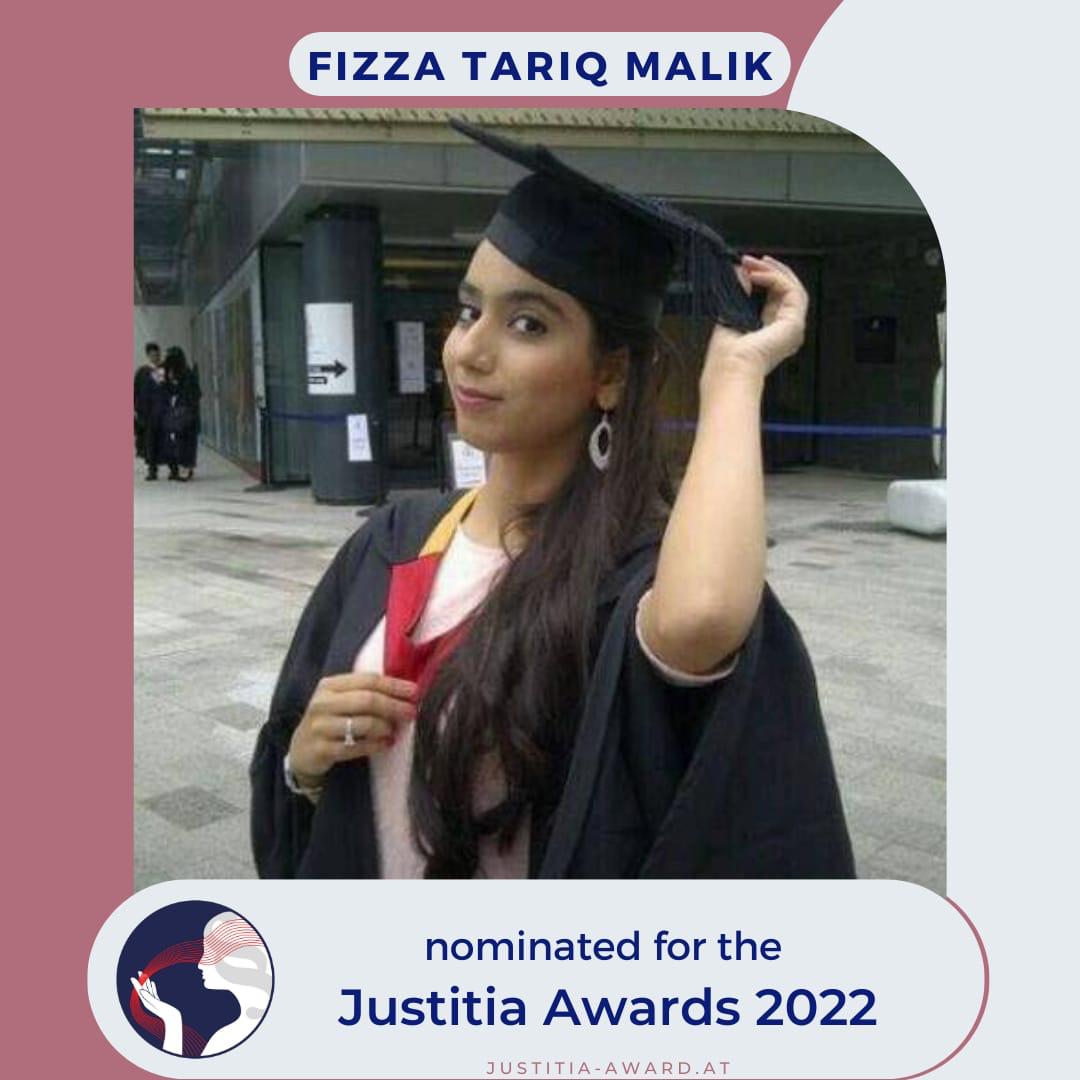
Fizza graduated in 2013 with an LL.B earned through the Islamabad School of Law under the external programme of Northumbria University at Newcastle. Law was not a fallback; it was a vocation she had fought for. During her studies she worked at a UK-based customer-service firm, where a former colleague remembered her as the youngest person in the company, “with a lot of positivity, energy and ambition evident through her sparkling eyes”.
After qualifying she joined the chamber of Advocate Mohsin Akhtar Kayani — later President of the Islamabad High Court Bar Association — and had been working with him since November 2013, assisting on criminal matters at the district courts. Friends told the BBC she wanted to be “the best criminal lawyer in the country”, and she had already been accepted onto a Master of Laws (LL.M) in the United Kingdom.
“The quality of leadership skills and cultural diversity I have learnt through my degree has provided me a platform to become an agent of optimism for change in my society.”
Courage Behind the Eyes: Illness and Perseverance
Among the most moving facts in the public record is that Fizza achieved all of this while battling Retrobulbar Optic Neuritis, an inflammatory condition of the optic nerve that cost her the sight in one eye and required treatment in the United States. A friend told the BBC that the illness “did not stop her from pursuing her goal of being the best criminal lawyer in the country”.
Colleagues at the courts never described her as fragile; they described a young woman who navigated the rough, male-dominated katchehri environment with composure. The Islamabad High Court library’s secretary, Raja Shiraz Ahmed Janjua, called her “a symbol for law professionals”.
“My struggle became my strength to strive for success. Challenges came my way, yet made me tough, and I fought through my medical problem. I was not born with a golden spoon, but I was one with the outlook to achieve one.”
The Person Her Friends Knew
Zeresh John, then Blogs Editor at Dawn and a former colleague and friend, wrote the most intimate public portrait of Fizza on the day after the attack. It captures the person behind the headlines — a soft voice, a large smile, and a mind that moved easily from cricket to the social ills of Pakistan.
Madiha, a young lawyer injured in the attack who had met Fizza on what was to be their first day working together, remembered her simply as “a friend, a colleague to be”. Advocate Kayani said she was “full of energy and wisdom”.
“A soft voice, a large smile and always full of life. Her petite frame animated with unbounded energy… Fizza was never one to shy away from voicing her opinions.”
Family memory slot — childhood stories, school years, favourite books, music, food, hobbies, family jokes and photographs will be added here by the family.
In their own words
“We have sacrificed our daughter, and it will be in vain if this country does not stand up against terrorism.”
“Being Muslims, we believe that martyrs are alive. So I want to tell Fizza that we love you and we miss you so much. We feel like a part of our heart and soul is lost.”